


Music Events
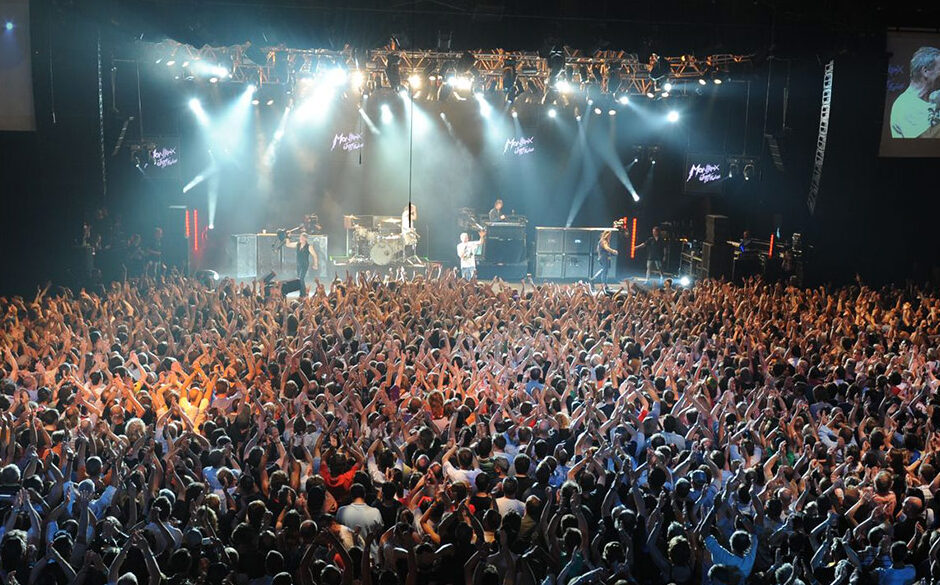
Montreux Jazz Festival in 2026, the date is July 2.
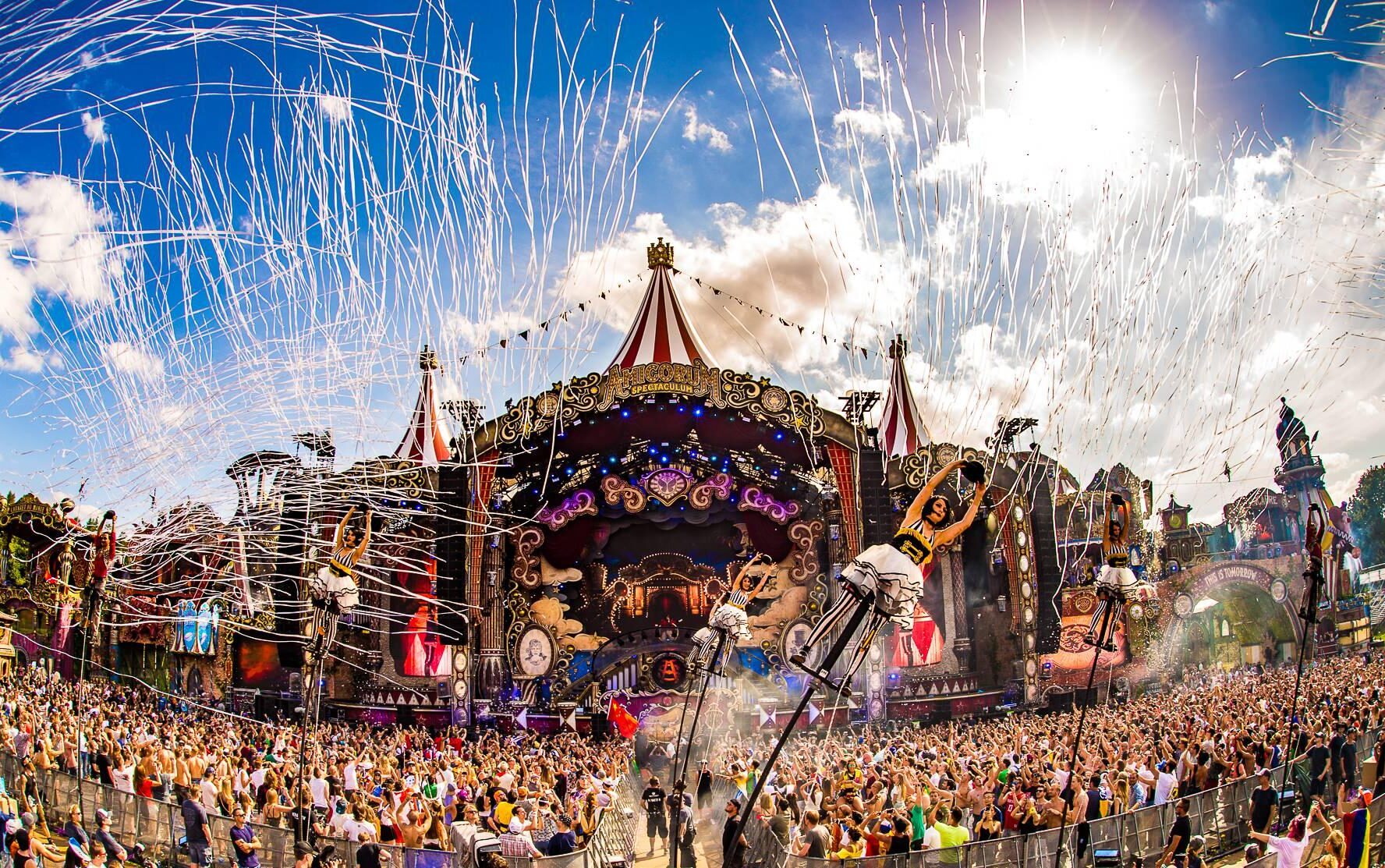
NEVERSEA festival in 2025, the date is July 7.
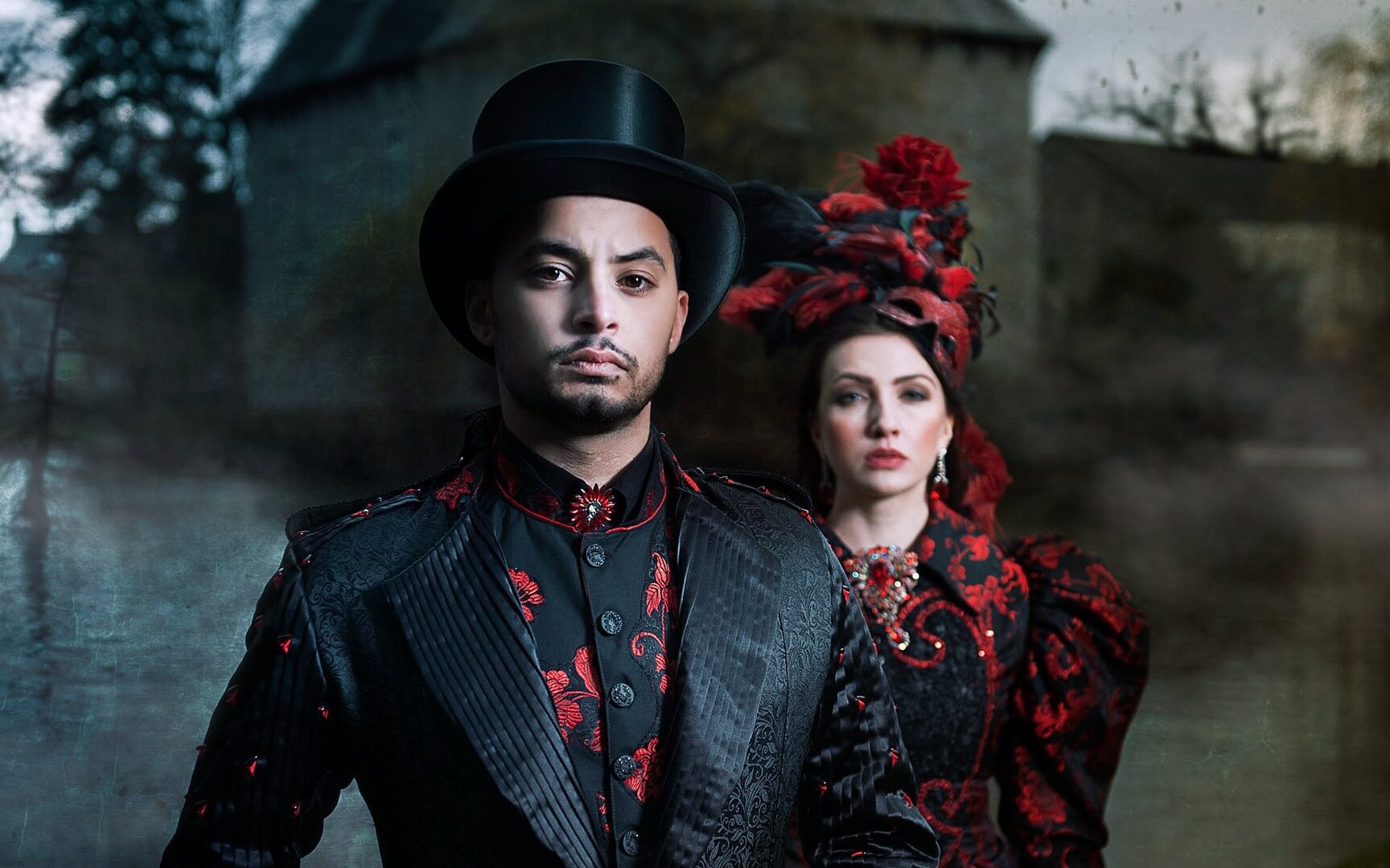
Gothic music and culture festival in Leipziga in 2023 the date is May 21

International guitar festival in Argentina in 2021 the date is October 7
News
- Integrating Literary and Poetry Programs into Modern Music Festivals
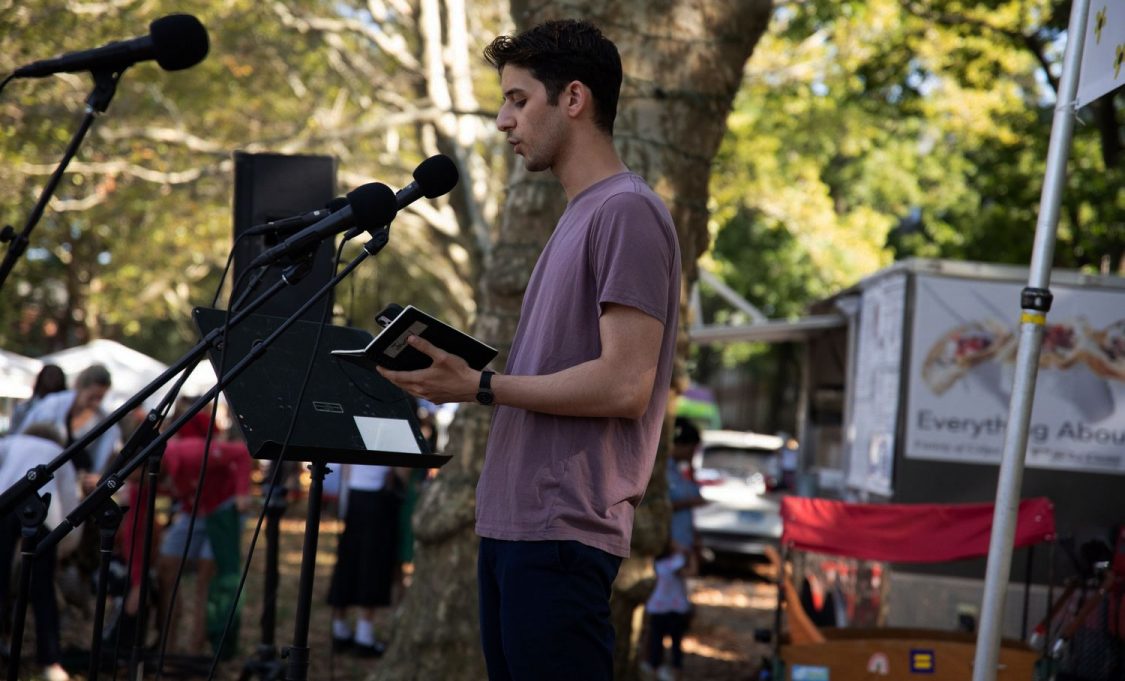 Modern music festivals are increasingly evolving beyond purely musical performances into multidisciplinary cultural environments. Audiences today expect more diverse and
Continue readingIntegrating Literary and Poetry Programs into Modern Music Festivals
- Interactive Elements And Digital Technologies At Music Festivals
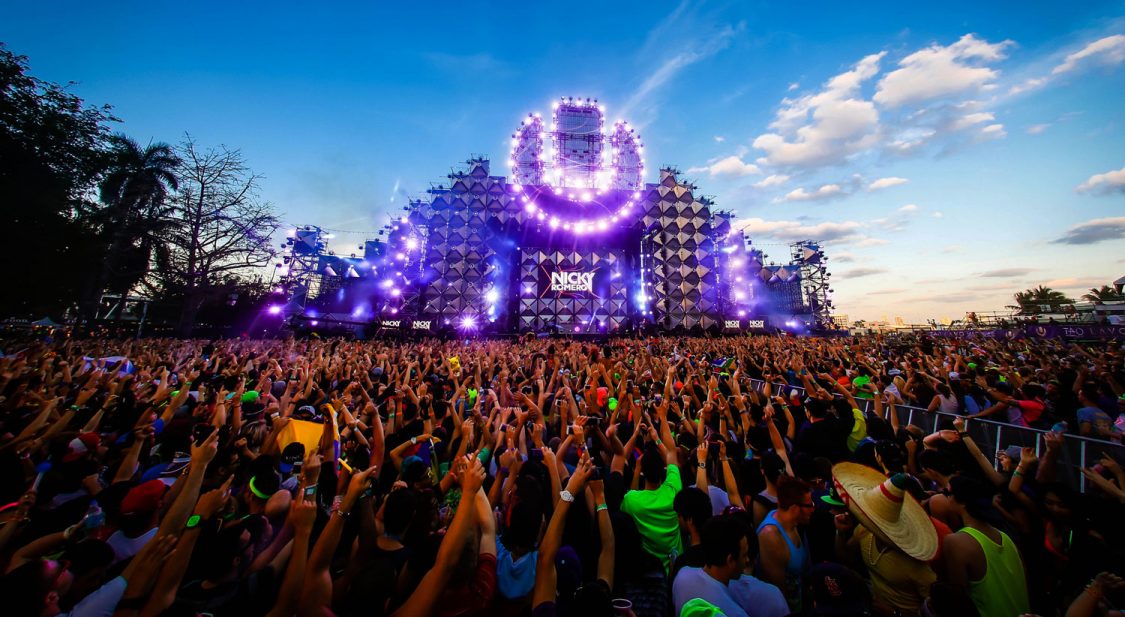 Musical festivals have long since stopped being just a schedule of concerts taking place across several stages. Today, such events
Continue readingInteractive Elements And Digital Technologies At Music Festivals
- How Local Bars Near the Venue Become Part of the Fan Concert Route
 A concert rarely begins when the first song starts. For many fans, the experience begins hours earlier: choosing what to
Continue readingHow Local Bars Near the Venue Become Part of the Fan Concert Route

The Brightest Music Festivals
We’ve gathered all kinds of music festivals for you – European and American, large-scale ones with a huge number of stages and names, and very small ones, legendary and those whose history is not even five years old. This summer there are more venues than usual, and the music is varied – from indie and electronica to heavy metal and classical.
Concert Tours
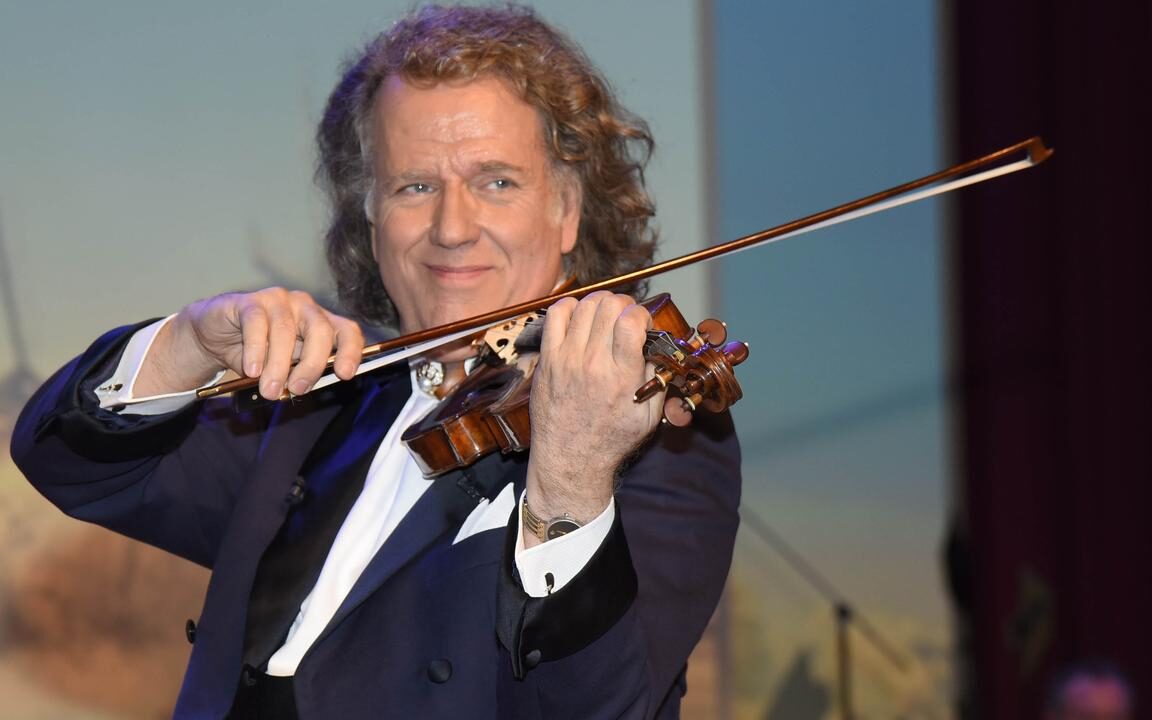
André Rieu. Vienna, Austria
03.06-05.06.2026
Cost: 850$

Avril Lavigne. Head Above Water Tour. Vienna, Austria
18.03 – 20.03.2023
Cost: 800$
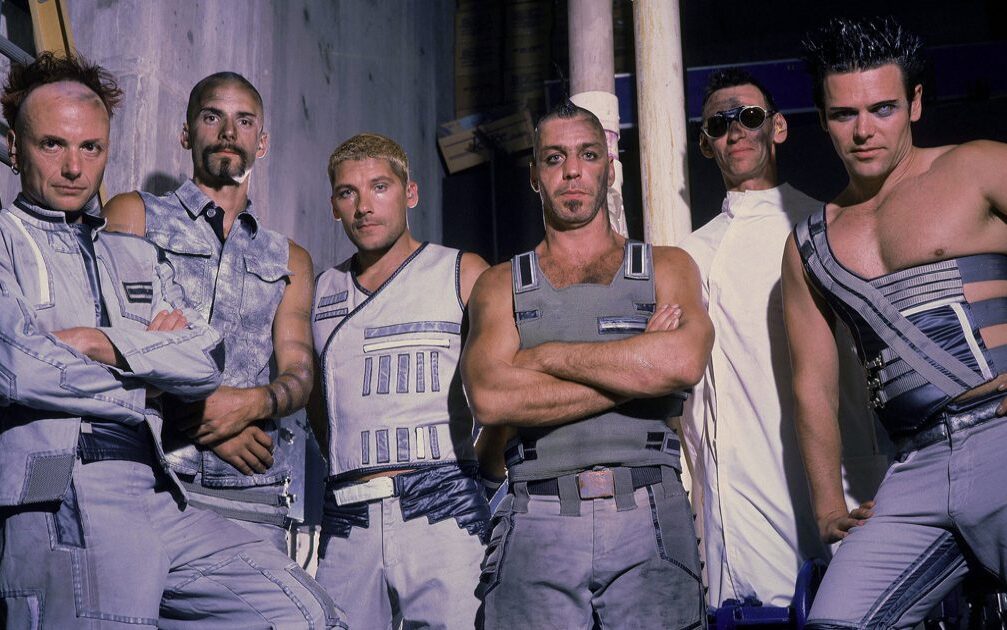
Rammstein: Europe Stadium Tour. Tallinn, Estonia
21.07 – 23.07.2021
Cost: 1000$
Want to Be the First to Know About Our New Tours, Promotions and Discounts?
Then sign up for our email newsletter














Music Tours
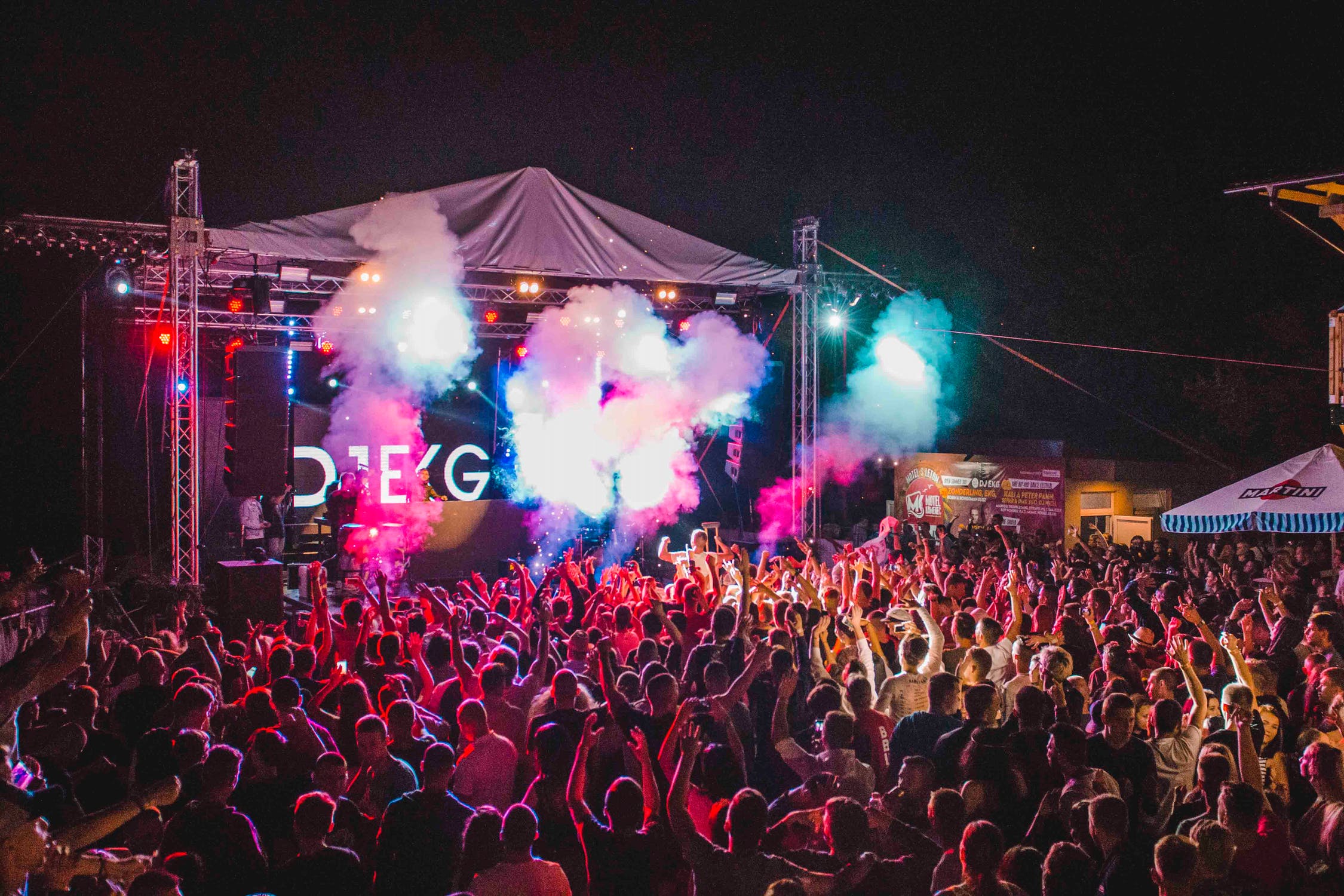
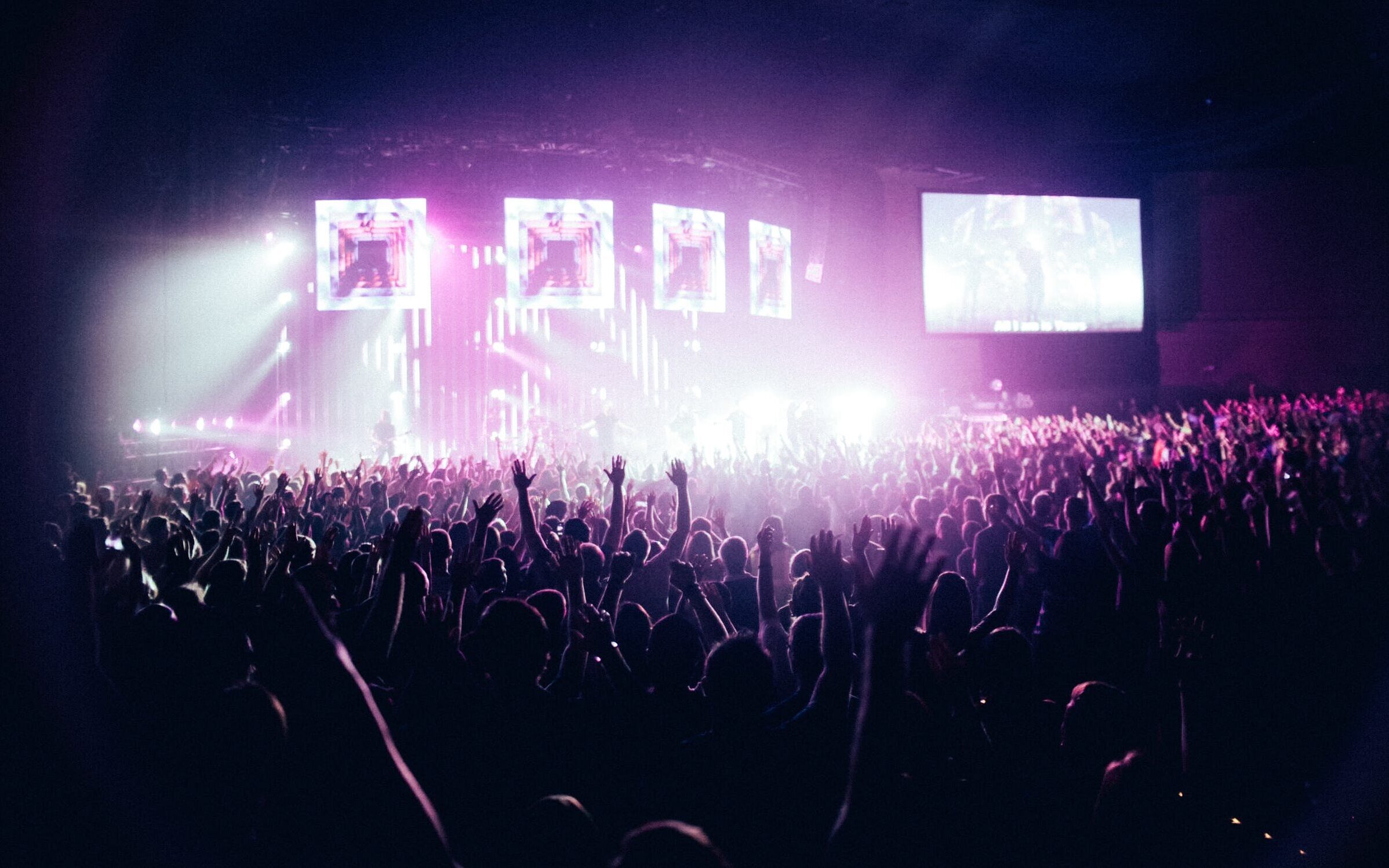
Music festivals have become a good excuse to visit another country, an exciting trip. Electronic music, jazz, rock and other festivals are held in different countries. Wise operators gather fans and organize trips to significant events.
Modern Tourism
From the simple pilgrimage and excursions tourism has evolved into a mass of directions and forms. There are even tours for extreme tourists and shopaholics. There is tourism, based on certain events. These include music festivals and competitions.
A group of fans goes on an organized trip to actually participate in the performance of their idol. This is beneficial and comfortable for everyone: for operators and tourists.
Music festival rallies fans of a particular genre, completely immersed in an atmosphere of happiness and mental comfort. And for the artist, it is the best way to ensure his fame.
Most Famous
Grand music events are held in all corners of the world, have a schedule and a bright focus.
Many are dedicated to electronic music (Sonar, "Electic Daisy Carnival" in Mexico, "Ultra" in Florida). IMAGINATION FESTIVAL, Tomorrowland in Belgium, Jazz and Heritage Festival in New Orleans are well known. Many dream to visit Coachella in California, Rock in Rio de Janeiro, Summerfest in Wisconsin.

The Mawazine festival in Morocco attracted over a million visitors. The largest is considered the Austrian festival "Donauinselfetst", which can bring up to three million people. Contest music is the main driver of the event. Most often it is electronic music or rock.
Music contests and festivals are common in all corners of the world. It could be America, India or islands in the Pacific Ocean. The tourist will have the perfect excuse to visit an unfamiliar place with double the benefits.
After all, there are unknown corners that deserve our attention. The traveler will immerse himself in the world of his favorite music and learn many interesting things about the area. It happens that the listener discovers new sides of a certain musical direction.
And the atmosphere and positive aura gives a burst of creativity and inspiration.
Not for everyone
Music tourism has its own specific and narrow audience. It is determined by the nature of the event and the musical direction. But it is a mistake to assume that such shows are attended only by young people.
At the festival of jazz or serious music you can meet tourists with gray hair and in age. Often go to such tours for company, making a pleasant experience for a companion, fiancé or a close friend.
But these events are always attended by those who are not chasing savings, throwaway offers and sales from tour operators.
It is important to remember
Any music festivals around the world are not just for the sake of creativity and creativity, but for a decent income. This obliges each visitor to have the appropriate amount and be prepared to spend.
Experienced travelers always stock up on everything they need at home; medicine, flash drives, batteries, tissues are better to buy in advance. Your phone should have a good supply of finances for an emergency call in case of an emergency. Always stick to the team and be on the lookout for a supervisor.