Musical festivals have long since stopped being just a schedule of concerts taking place across several stages. Today, such events turn into temporary megacities with their own navigation systems and safety rules. New technologies don’t make music better, but they do fundamentally change the audience experience.
Why Festivals Have Gone Digital
Large music events bring together people from different cities and countries. They need to quickly understand where the stage is, when their favorite band is performing, and how to avoid getting lost after midnight. Digitalization at festivals did not appear for the sake of a fashionable effect. It solves practical tasks:
- reduces queues;
- speeds up payments;
- helps manage the flow of people;
- informs organizers about audience behavior.
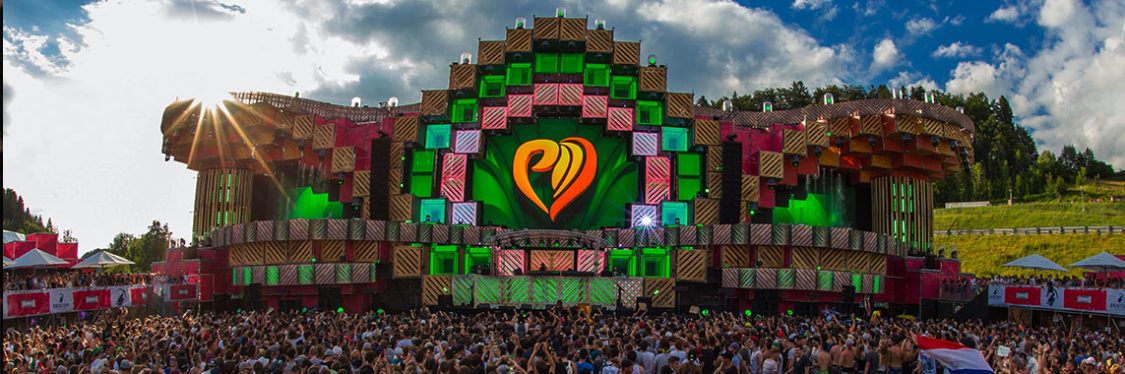
Technology and the Comfort of Music Travel
For an ordinary music lover, the festival itself is not the only thing that matters; the journey to it matters too. Digital technologies help bring the trip into a single, clear system: tickets, hotels, transfers, city maps, and emergency contacts. A traveler going to a festival abroad faces many small decisions:
- How to get back after midnight?
- Where does the group meet?
- What should you do if the performance time changes?
The better these elements are connected, the calmer the trip becomes. A person spends less energy on organization and becomes more deeply immersed in the music.
Smart Wristbands and Digital Entry
RFID wristbands have become one of the most visible symbols of modern festival infrastructure. A visitor receives a gadget that can serve as both a pass and a payment tool. Regular checks at the entrance are no longer needed; scanning is enough. This system is convenient for both guests and organizers. It helps fight fake tickets, control access to VIP areas, and understand which parts of the venue are becoming overcrowded.
At a festival, a wallet often gets in the way; it is easy to forget it or lose it in the crowd. A cashless system solves this problem through a wristband. Visitors link a card in advance or top up their balance, then pay for drinks, food, and merch with a simple tap. This approach also has a downside. When payment becomes too easy, people feel their real expenses less clearly. Convenience can quickly turn into frustration after the trip.
A Festival App as a Personal Navigator
A festival app becomes the digital equivalent of a map and program. It helps visitors create their own schedule, receive reminders about performances, and even find the right stage. For a tourist arriving in another country, such software reduces anxiety. It explains things faster than a paper booklet, especially if the person is not familiar with the area.
A good app should not be overloaded. Viewers usually have little time, and their phones are almost always running out of battery. The most important features are the ones that actually work:
- an interactive map;
- push notifications about changes in the program;
- logistics information after the concert ends;
- short safety rules and emergency contacts.
Technology is good when it helps. There is an important nuance: the more a festival relies on an app, the more it depends on infrastructure. If the network is overloaded and the charging stations are busy, digital comfort disappears. Reliable software should work partially offline, but on-site consultants, clear signage, and printed maps are still needed.
AR, VR, and Visual Stages
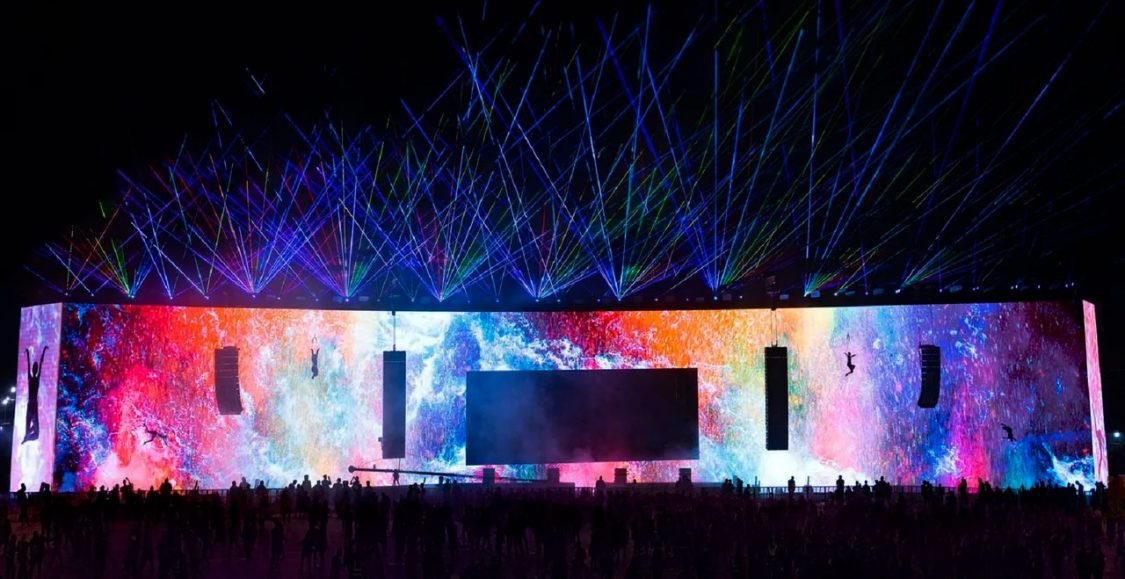
Augmented reality, interactive screens, and immersive visual solutions are gradually changing concert aesthetics. This is especially noticeable at electronic, pop, and multi-genre festivals, where stage design is an essential component. AR can overlay digital objects onto a real stage, create visual layers in broadcasts, assist with navigation, and turn advertising zones into interactive spaces.
Technologies are appropriate where they are closely connected to the music. Light, graphics, and camera movement can emphasize the rhythm or drama of a track. Problems begin when the visual part becomes louder than the artist. Then the festival is tempted to turn the stage into an equipment demonstration. Even the most expensive AR system cannot save a weak performer.
Streams, VR versions of concerts, and immersive recordings expand a festival’s audience. A person may not be physically present but can still watch the show online. This matters for international-scale events, when not every fan can afford a long-distance flight.
A virtual format does not cancel the value of the trip. Someone may watch the broadcast and decide to come next year, while someone else replays their favorite performance hundreds of times after returning home.
Interactivity Between Artist and Audience
A festival has always depended on the audience’s reaction. In the past, it was visible through noise, gestures, fan posters, and the light of lighters. Now voting, mobile activities, and fan challenges have been added.
Interactivity can be simple: choosing an encore song or voting for a visual theme. In any case, it should remain subtle. If viewers are too often asked to scan a QR code or open an app, the concert loses its integrity.
A fan needs space for ordinary attention. Sometimes the best interactive element is the absence of unnecessary actions. A person stands in front of the stage, hears their favorite song, and does not have to “increase engagement” at that moment. Interactivity should strengthen the event, not turn the viewer into an app tester.
Future festivals will have to find the ideal balance between technological convenience and a live atmosphere. Digital tools can make any event accessible, safe, and richer, but the viewer must not be deprived of the right to simply stand in front of the stage, listen to music, and forget about gadgets.